



























All New BMW iX3: BMW’s Next Gen Electric SUV – Our Review
BMW is accelerating its electric lineup with the all-new BMW iX3, a fully-electric SUV built on the brand’s Neue Klasse architecture. This next-generation platform focuses on electrification, efficiency, and advanced digital technology, positioning the iX3 as a strong competitor to the Audi Q6 E-tron, Mercedes-Benz EQ series, and Tesla Model Y.
Release Date & Availability
Launch: March 2026 (UK & Europe)
Orders: Already open
Production: Started October 2025 at BMW’s Debrecen, Hungary factory
UK Starting Price: £58,755 (base 50 xDrive model) — lower than the outgoing iX3 despite improved specs
Deliveries: Expected early 2026
Performance & Powertrain
The iX3 50 xDrive is powered by a dual-motor electric drivetrain delivering both power and efficiency:
Power: 345 kW
Torque: 645 Nm
0–62 mph (0–100 km/h): 4.9 seconds
Top Speed: 130 mph (electronically limited)
This gives the SUV sporty acceleration while maintaining energy efficiency, striking a balance that appeals to both performance and eco-conscious drivers.
Battery, Range & Charging
Battery & Range
Capacity: 108.7 kWh usable
Range: Up to 500 miles
Charging
Rapid DC Charging: Up to 400 kW
10–80% charge: 21 minutes
Range added in 10 mins: 231–257 miles
The iX3’s ultra-fast charging and long range place it among the longest-range EVs globally, giving it a clear advantage over many rivals.
Design & Dimensions
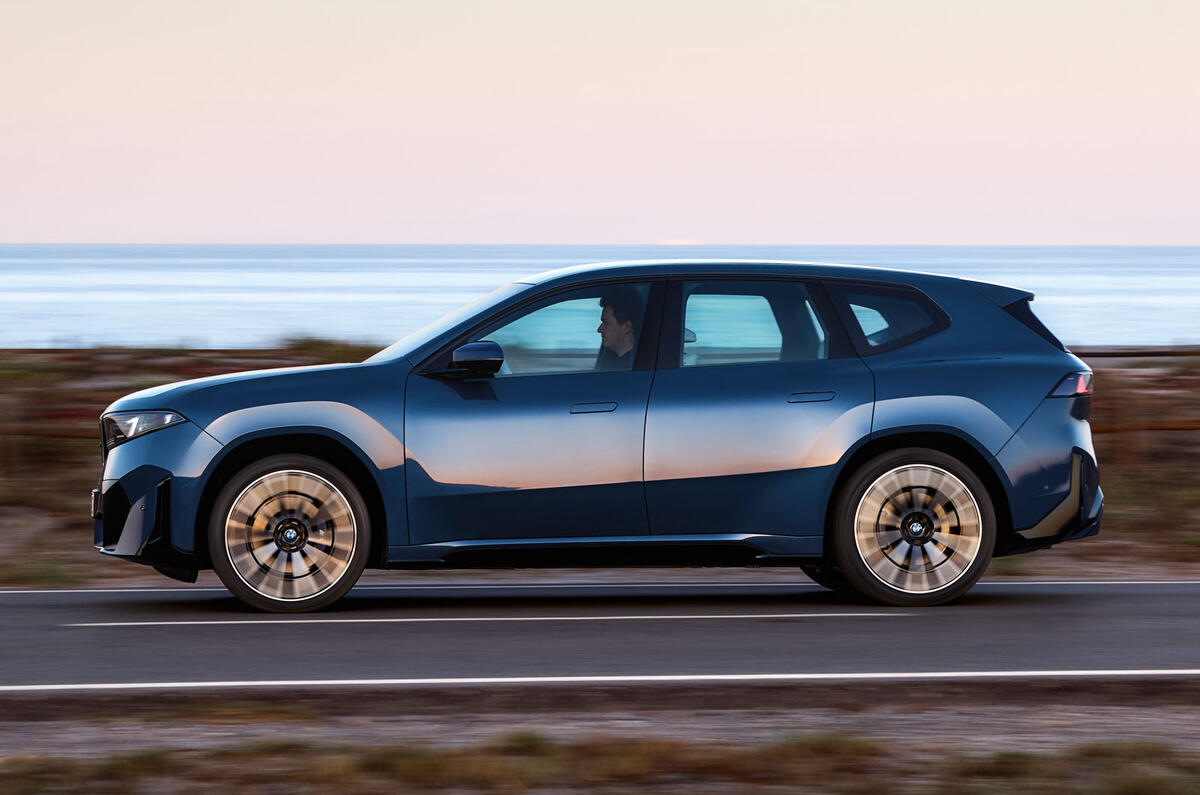
The iX3 combines BMW’s sporty SUV silhouette with aerodynamic refinements to boost efficiency. The Neue Klasse platform incorporates lighter materials and streamlined electrical architecture for better performance and lower energy loss.
Key Dimensions:
Length: 478.2 cm
Width: 189.5 cm
Height: 163.5 cm
Wheelbase: 289.7 cm
Boot Space: 520 litres
Next-Generation Tech & Interior Features
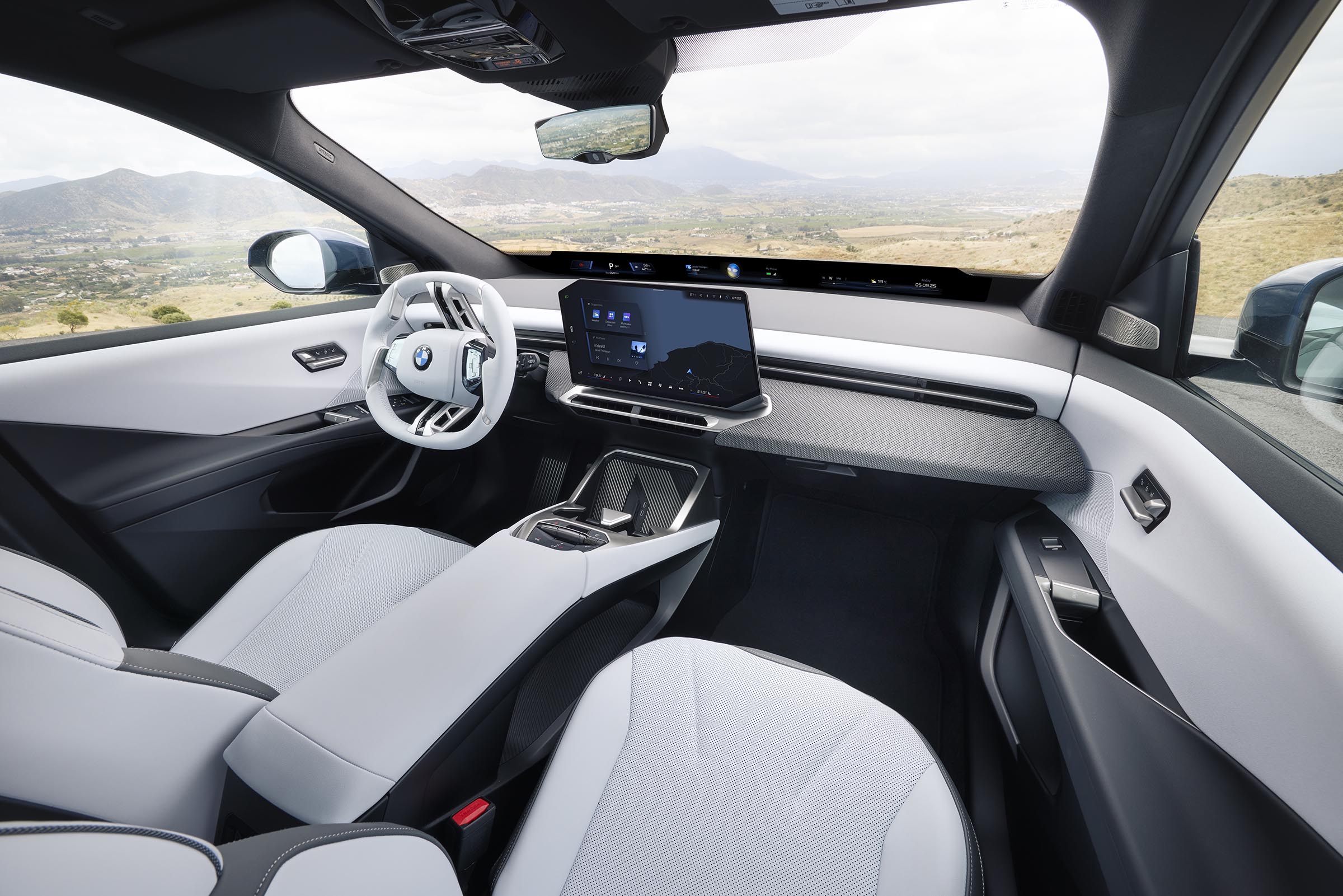
BMW packs the iX3 with cutting-edge technology:
Panoramic iDrive display: Immersive digital instrumentation and infotainment
AI Voice & Connected Features: Smart, intuitive commands
Bidirectional Charging Support: Powers devices or home equipment (option/market-dependent)
The cabin blends modern minimalism with premium materials, offering a comfortable, intuitive driving experience.
Sustainability & Efficiency
BMW emphasises eco-conscious design:
800-volt electrical system for improved efficiency and fast charging
Cylindrical battery cells with 20% higher energy density
Recycled & sustainable materials throughout construction
These innovations reduce weight, improve real-world efficiency, and contribute to BMW’s overall sustainability goals.
Market Position & Rivals
The iX3 competes in the premium EV SUV segment against:
Audi Q6 E-tron
Mercedes-Benz EQC / EQE SUVs
Tesla Model Y / Model X
Its long range, ultra-fast charging, performance, and tech suite make it one of the most compelling mid-to-high-end EV SUVs.
The 2026 BMW iX3 represents a significant leap forward for BMW’s electric SUVs. It combines class-leading range, super-fast charging, sporty performance, and premium technology, making it a strong choice for drivers seeking a practical yet high-end EV.
With the iX3, BMW signals not just an electrified future under the Neue Klasse platform, but also raises expectations for premium EV SUVs across the market.
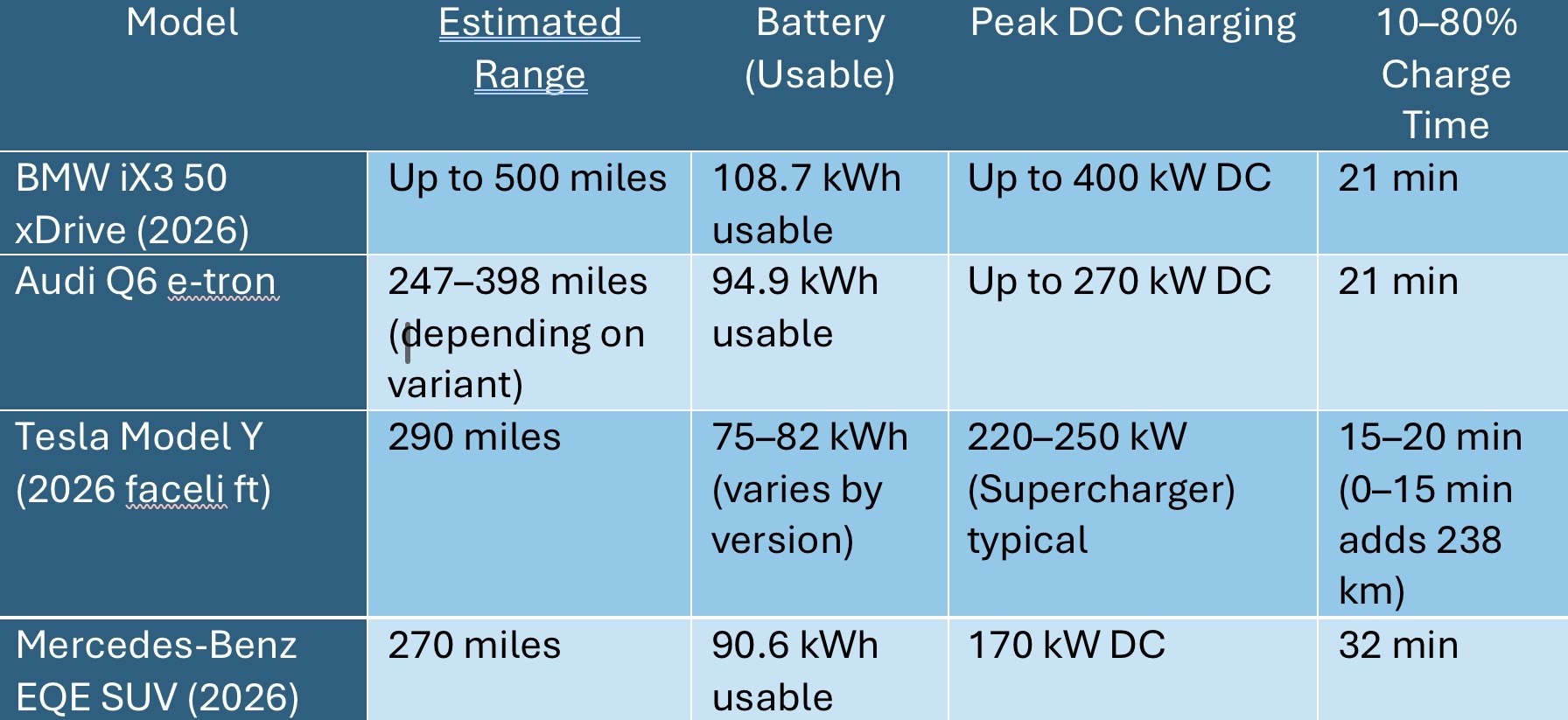
As shown by the table above, the new iX3 comes out on top cover pared to its close competitors in he market, through its exceptional rage and high speed charging.
Range Leadership
The BMW iX3 leads the group with a very high claimed WLTP range (500 miles / 805 km), well above its peers — giving it a clear advantage for long-distance travel.
The Audi Q6 e‑tron also offers strong range potential in higher‑trim versions (up to 398 mi ), but generally falls short of the iX3.
The Tesla Model Y remains competitive with solid real‑world range figures (around 290 mi ), though it generally trails the BMW and some Q6 variants.
The Mercedes‑EQE SUV has lower range figures in typical trims, focusing more on premium comfort than outright range.
Charging Performance
The iX3’s 400 kW peak charging rate is among the fastest in its class, meaning shorter stops at high‑power DC stations.
The Audi Q6 e‑tron also uses 800‑volt tech but with a lower peak (270 kW), still competitive.
Tesla’s Supercharger network offers practical real‑world fast charging (often 220–250 kW), integrated into a broad network, which helps usability.
Mercedes EQE SUV has the lowest peak DC charging rate here (170 kW), meaning slower top‑up sessions.
Battery Capacity
The iX3’s battery is the largest usable capacity among these — which helps both its range and charging performance figures.
The Audi and Mercedes models offer competitive but smaller usable capacities in this premium SUV market.
BMW have bridged the gap between performance and luxury with this car, and have made one of the best premium electric SUVs on the market today. From it’s immaculate interior, to its superb battery range, the all new BMW iX3 promises to shake up the market and compete.