




























Are Hydrogen Cars the Future? Everything UK Drivers Need to Know
Hydrogen cars are often described as one of the most promising alternatives to petrol, diesel and battery electric vehicles. Instead of using large batteries, hydrogen vehicles generate electricity onboard using a hydrogen fuel cell, producing only water vapour as an emission.
While electric vehicles have seen rapid growth in the UK, hydrogen cars remain relatively rare. However, they offer some unique advantages such as fast refuelling times and long driving ranges.
This guide explains how hydrogen cars work, which models are available, how hydrogen refuelling works in the UK, and whether hydrogen vehicles could play a major role in the future of transport.
What Is a Hydrogen Car?
A hydrogen car is typically known as a fuel cell electric vehicle (FCEV). Like battery electric vehicles, hydrogen cars use an electric motor to power the wheels, but they generate electricity differently.
Instead of storing electricity in a battery, hydrogen cars produce electricity through a chemical reaction inside a fuel cell.
How Hydrogen Fuel Cell Cars Work
The process works in four key stages:
Hydrogen gas is stored in high-pressure tanks inside the vehicle.
The hydrogen enters a fuel cell stack.
Hydrogen reacts with oxygen from the air to generate electricity.
The electricity powers an electric motor while the only by-product produced is water vapour.
This means hydrogen cars produce zero tailpipe emissions, making them environmentally friendly at the point of use.
Hydrogen Cars Available in the UK
One reason hydrogen cars remain rare is the limited number of models currently available.
Current Hydrogen Vehicles
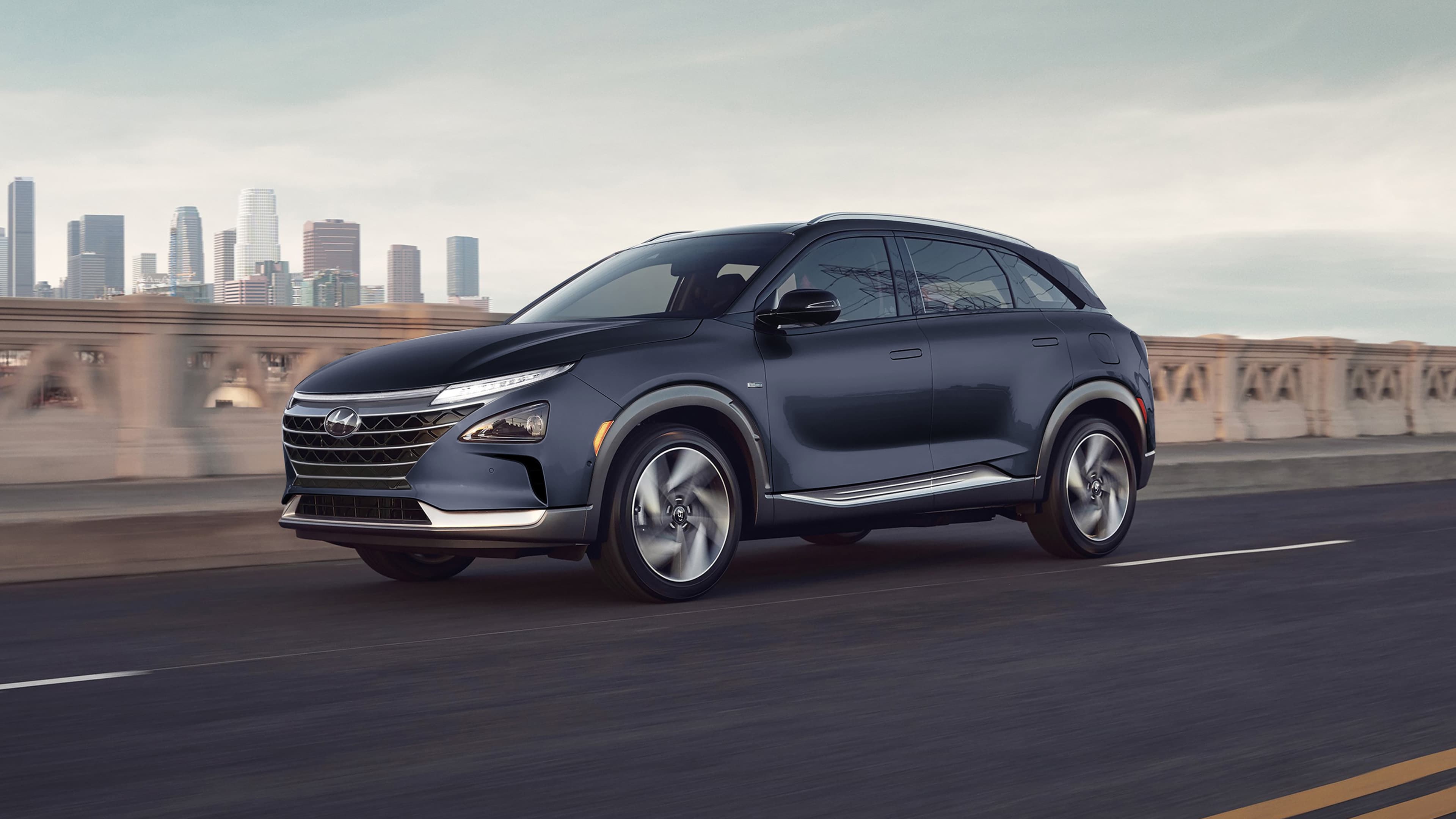
Hyundai Nexo
Hydrogen fuel cell SUV
Driving range: around 380 - 414 miles
Hydrogen tank capacity: approximately 6.3kg
Originally launched in the UK at around £65,000–£70,000
Toyota Mirai
Hydrogen fuel cell executive saloon
Driving range: up to 400 miles
Hydrogen consumption: roughly 0.8–1kg per 100km
Premium pricing due to advanced fuel cell technology
Hydrogen Vehicles in Development
Several manufacturers continue researching hydrogen powertrains.
Future projects include:
Hydrogen powered vans and trucks
Commercial fleet vehicles and buses
Many experts believe hydrogen may be particularly useful for commercial vehicles and long-distance transport, where battery electric technology has limitations.
How Hydrogen Cars Are Refuelled
One of the biggest advantages hydrogen vehicles have over battery electric vehicles is refilling speed.
Refuelling a hydrogen car is very similar to filling a petrol or diesel vehicle.
Hydrogen Refuelling Process
Pull into a hydrogen refuelling station.
Connect the high-pressure hydrogen pump nozzle.
Hydrogen gas is pumped into the vehicle’s storage tanks.
Refuelling typically takes 3 to 5 minutes.
Because of this quick refuelling time, hydrogen vehicles can be convenient for long journeys.
Hydrogen Fuel Stations in the UK
The main challenge for hydrogen vehicles is the lack of infrastructure.
Currently the UK has only a small number of hydrogen refuelling stations, most of which are located in:
London
South East England
A few pilot locations across the UK
A full list of hydrogen fuelling station in the UK, can be found by clicking here.
Many stations are also used primarily for commercial fleets and hydrogen buses.
Until the hydrogen infrastructure expands, hydrogen cars will remain difficult for most private drivers to own.
Hydrogen Car Running Costs
Hydrogen fuel is sold by the kilogram rather than by litre.
Typical hydrogen fuel prices in the UK range from: £10 - £15 per Kg
For example:
Hyundai Nexo fuel tank: around 6.3kg hydrogen
Cost of a full tank: approximately £60 to £95
Cost Per Mile Comparison
Approximate costs per mile:
Hydrogen car: about £0.18–£0.22 per mile
Petrol or diesel car: roughly £0.14–£0.18 per mile
Electric vehicle (home charging): £0.05–£0.08 per mile
Hydrogen vehicles therefore tend to be more expensive to run than electric vehicles, although comparable with petrol or diesel depending on fuel prices.
Pros of Hydrogen Cars
Hydrogen fuel cell vehicles offer several advantages compared with traditional combustion engines and battery electric cars.
Zero Tailpipe Emissions
Hydrogen cars produce only water vapour as an exhaust emission.
Fast Refuelling
Refilling takes around 3 to 5 minutes, similar to petrol cars.
Long Driving Range
Many hydrogen vehicles can travel 350 to 400 miles on a full tank.
Smooth Electric Driving
Hydrogen vehicles use electric motors, providing quiet operation and strong acceleration.
Potential Renewable Energy Source
Hydrogen can be produced using renewable electricity through electrolysis.
Cons of Hydrogen Cars
Despite their advantages, hydrogen cars also face several major challenges.
Limited Refuelling Infrastructure
The UK currently has very few hydrogen stations, making ownership difficult. There are only 11 stations operating nationwide, and a further 5 stations restricted to fleet only.
High Vehicle Costs
Hydrogen vehicles are typically expensive due to the advanced fuel cell technology.
Fuel Production Challenges
Hydrogen production can require significant energy, particularly when produced from natural gas.
Higher Running Costs
Hydrogen fuel is currently more expensive than electricity for EV charging.
Limited Model Choice
Only a handful of hydrogen cars are available globally.
Hydrogen Cars vs Electric Cars
Hydrogen and battery electric vehicles both offer zero-emission driving, but they differ in several key areas.
Because of the widespread charging infrastructure and lower running costs, electric vehicles currently dominate the zero-emission car market.
Are Hydrogen Cars the Future?
Hydrogen cars have clear potential, particularly for sectors where fast refuelling and long range are essential. This includes:
Heavy goods vehicles
Buses
Commercial fleets
Long-distance transport
However, for everyday passenger cars, battery electric vehicles currently have several advantages including:
Lower running costs
More developed charging infrastructure
Greater vehicle choice
Rapid improvements in battery technology
As a result, hydrogen vehicles may become an important complement to electric vehicles rather than a direct replacement.
The future of transport is likely to involve a mix of technologies, including battery electric cars, hydrogen fuel cell vehicles and other low-carbon solutions.