
























John Wick’s Car vs Today’s Energy-Efficient Alternatives
Few film cars make an entrance quite like the car from John Wick. Dark, muscular and unmistakably American, John Wick’s Ford Mustang is almost as memorable as Keanu Reeves’ sharply dressed assassin.
But while the John Wick car delivers enormous screen presence, it comes from an era when fuel economy, emissions and running costs were considerably less important than the sound of a V8 engine.
So, how does John Wick’s Mustang compare with today’s most energy-efficient cars? And can a modern electric car provide performance and excitement without the fuel bills?
What car does John Wick drive?
The car driven by John Wick in the first film is presented as a 1969 Ford Mustang Boss 429.
There is some debate among Mustang enthusiasts about its precise specification. The cars used during filming reportedly incorporated features associated with different classic Mustang variants. However, within the film, it is identified as a rare 1969 Boss 429.
That rarity is an important part of the story. When a petrol station customer asks John how much he wants for the car, John simply replies: “She’s not for sale.”
The attempted theft of the Mustang—and the killing of John’s dog—then sets the events of the film in motion.
Why is the John Wick Mustang so desirable?
The original Ford Mustang helped define the American muscle-car era. The Boss 429 was created so Ford could homologate its large 429 cubic-inch V8 engine for motorsport.
Its appeal is easy to understand:
Classic fastback styling
A large-capacity V8 engine
Immense rarity and collectability
A distinctive exhaust note
A starring role in one of the biggest modern action franchises
It is the type of car people buy with their heart rather than a spreadsheet. However, measured against a modern family or company car, its disadvantages are equally obvious.
A classic Mustang provides none of the sophisticated safety equipment, connectivity or energy efficiency expected from a new car. Parts, specialist maintenance, insurance and fuel can also make ownership expensive.
John Wick’s car versus a modern efficient car
The automotive world has changed dramatically since 1969.
The John Wick Mustang uses a large petrol engine to generate its performance. A modern electric vehicle uses energy stored in a battery and can deliver maximum torque almost immediately.
That means even relatively practical electric cars can accelerate with the urgency once associated only with exotic sports cars.
FeatureJohn Wick’s 1969 MustangModern electric carPower sourceLarge V8 petrol engineElectric motor and batteryDriving characterMechanical, loud and dramaticSmooth, quiet and immediately responsiveTailpipe emissionsHighZeroEnergy costsPotentially substantialUsually lower when charged at homeMaintenanceSpecialist classic-car maintenanceFewer routine mechanical componentsSafety technologyVery limited by modern standardsModern driver-assistance and safety systemsEveryday practicalityBest suited to occasional useDesigned for everyday commuting and family travel
A modern EV cannot recreate the sound or analogue character of a 1960s muscle car. What it can offer is strong performance with far lower day-to-day energy use.
The modern electric Mustang: Ford Mustang Mach-E
The most obvious contemporary alternative to the John Wick car is the Ford Mustang Mach-E.
The Mach-E is not a direct replacement for a classic Mustang. It is a practical electric SUV with five doors, modern technology and enough space for everyday family or business use.
However, Ford has used several familiar Mustang design cues, including its long bonnet, sculpted bodywork and signature rear lights.
Depending on the model selected, the Mustang Mach-E offers:
Rear-wheel-drive or all-wheel-drive configurations
Rapid electric acceleration
A practical family-sized interior
Long-distance driving capability
Zero tailpipe emissions
Modern connectivity and driver-assistance technology
For drivers attracted to the Mustang name but needing something suitable for commuting, family journeys and business mileage, it provides a much more usable proposition.
Hyundai IONIQ 6: efficiency without sacrificing style
The Hyundai IONIQ 6 takes a very different approach. Its streamlined shape has been designed to reduce aerodynamic drag and improve the distance it can travel using each unit of electricity.
That makes it an interesting alternative for someone who wants a car with a distinctive appearance but also cares about energy efficiency.
Its strengths include:
An aerodynamically efficient body
Rapid charging capability
A comfortable, technology-focused interior
Strong electric range
Impressive performance from higher-powered versions
It demonstrates that an energy-efficient vehicle does not have to look anonymous or feel slow.
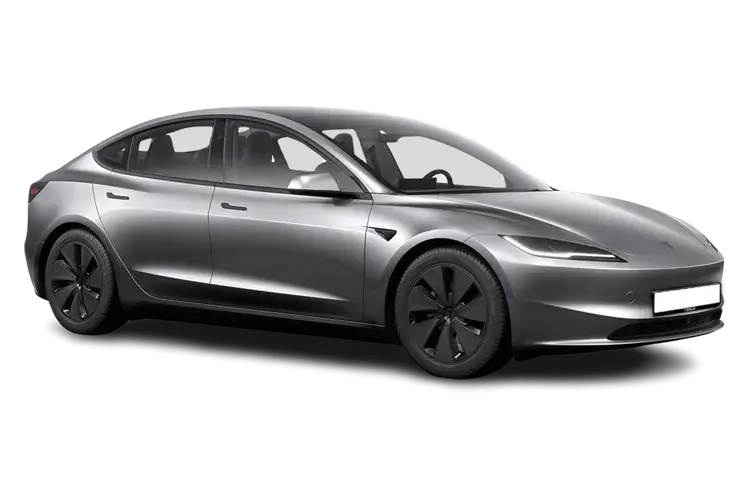
Tesla Model 3: performance and long-distance ability
The Tesla Model 3 helped establish the idea that an efficient electric saloon could also be genuinely quick.
It combines a relatively low, streamlined body with an efficient electric powertrain and access to an extensive rapid-charging network.
The Model 3 may appeal to drivers looking for:
Strong real-world efficiency
Long-distance electric range
Quick acceleration
A minimalist interior
Straightforward rapid charging on longer journeys
It lacks the mechanical theatre of John Wick’s V8 Mustang, but its immediate acceleration would have seemed extraordinary when the original Mustang was built.
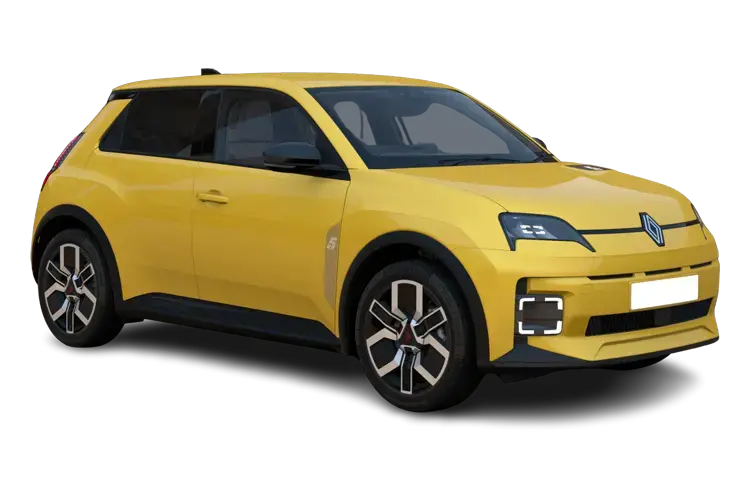
Renault 5 E-Tech: efficient motoring with character
Not everybody needs the size or performance of a Mustang. For urban and mixed driving, the Renault 5 E-Tech electric offers a smaller and potentially more affordable alternative.
Its design borrows from the original Renault 5 while adapting the idea for the electric-car era. It is proof that retro styling and modern energy efficiency can work together.
The Renault 5 could suit drivers wanting:
A compact car for town and commuter use
Recognisable retro-inspired design
Lower energy consumption than a large electric SUV
Modern infotainment and safety equipment
An accessible route into electric car leasing
Like the John Wick Mustang, it uses automotive nostalgia to attract attention—but packages it in a much more efficient form.
Electric performance versus V8 character
Electric motors and large petrol engines produce performance in very different ways.
A classic V8 builds speed with noise, vibration and mechanical drama. An electric motor delivers its torque instantly, usually with very little sound.
On paper, many contemporary EVs can outperform classic muscle cars in acceleration. Behind the wheel, however, the experiences are not directly comparable.
The Mustang is involving partly because it requires more effort. Its brakes, steering, suspension and power delivery belong to another age. A modern EV is easier, safer and generally much more comfortable to drive every day.
The right choice therefore depends on what you expect from the car:
For weekend enjoyment and collectability, the classic Mustang has enormous appeal.
For daily travel, an efficient modern car is considerably easier to live with.
For rapid acceleration with low tailpipe emissions, an EV offers the strongest combination.
For drivers unable to charge regularly, a full or plug-in hybrid may provide a useful middle ground.
Could John Wick drive an electric car?
Quiet operation might actually suit John Wick’s line of work rather well.
Modern performance EVs can combine discreet, near-silent progress with acceleration capable of challenging traditional sports cars. They also offer all-wheel drive, advanced navigation and considerably more safety technology than a 1969 Mustang.
The difficulty is emotional rather than practical. The original Mustang represents John Wick’s past and his connection to his late wife. Replacing it with an efficient company car would make financial sense, but it probably would not make a very compelling film.
Is an electric or hybrid car cheaper to run?
An electric car will usually cost less to power when it can be charged at home on a suitable electricity tariff. It also has fewer routine mechanical service items than a petrol car.
Actual savings depend on several factors:
Your annual mileage
Where and when you charge
Electricity and fuel prices
The efficiency of the vehicle
Insurance costs
The lease rental
Whether the vehicle is being provided as a company car
Public rapid charging can cost considerably more than home charging, so drivers should consider their charging arrangements before choosing an EV.
A hybrid can be a sensible alternative where charging is unavailable or journeys regularly exceed the practical electric range. Plug-in hybrids are most effective when their batteries are charged frequently rather than being driven mainly on petrol.
Why lease an energy-efficient car?
Vehicle technology is developing quickly. Leasing lets drivers use a new car for an agreed period without taking on the responsibilities associated with selling it later.
It can be particularly attractive for electric vehicles because:
You can move into newer technology at the end of the agreement
The vehicle’s future resale value is not your responsibility
Monthly costs are agreed at the start
New vehicles include modern safety and connectivity features
Business users may benefit from favourable company-car tax treatment
The most appropriate lease should still be based on total cost, mileage requirements and charging access—not efficiency figures alone.
Which energy-efficient car should you choose? Best Electric Car Leases Guide 2026
The best option depends on how you use your car.
Choose a compact EV such as the Renault 5 if most journeys are relatively short and easy charging is available.
Consider an efficient saloon such as the Hyundai IONIQ 6 or Tesla Model 3 if range and motorway efficiency are priorities.
Look at the Ford Mustang Mach-E if you want an electric family SUV with a connection—at least in name and design—to the Mustang story.
A hybrid may be more appropriate if you cannot reliably charge an EV or regularly undertake journeys in areas where charging facilities remain limited.
From muscle car to electric car
The car from John Wick represents a time when performance was measured in engine capacity, cylinders and exhaust noise. Today, performance can be delivered by software-controlled electric motors using a fraction of the energy.
That does not make the John Wick Mustang any less desirable. It remains an automotive and cinematic icon.
But for everyday driving, today’s energy-efficient electric and hybrid cars offer a more practical combination of performance, comfort, safety and predictable running costs.
You might not turn as many heads at the Continental Hotel, but you should spend considerably less time—and money—at the petrol station.
Find your next energy-efficient lease car - Read our Electric Car Leasing Guide.
Whether you want an electric Mustang, an efficient family SUV or a compact EV for commuting, Let’s Talk Leasing can help you compare the latest electric and hybrid car leasing offers.
Search our current electric and hybrid lease deals or speak to our team on 0330 056 3331 for help choosing a vehicle that suits your mileage, charging arrangements and monthly budget.
Frequently asked questions
What is the car from John Wick?
John Wick’s car is presented in the first film as a 1969 Ford Mustang Boss 429. Enthusiasts have debated the exact specification of the cars used during production, but the film identifies it as a Boss 429.
What colour is John Wick’s Mustang?
The Mustang has dark grey paintwork with black racing stripes, contributing to its distinctive and understated appearance.
Is John Wick’s car a Boss 429 or a Mach 1?
The film refers to it as a Boss 429, although the screen cars reportedly include styling and components associated with other 1969 Mustang variants. It is therefore safest to describe it as the Mustang presented in the story as a Boss 429.
What is the electric alternative to John Wick’s Mustang?
The Ford Mustang Mach-E is the closest modern electric alternative by name. It is an electric SUV rather than a two-door muscle car, but it offers rapid acceleration, family practicality and zero tailpipe emissions.
Are electric cars more energy efficient than petrol cars?
Yes. Electric motors convert a much greater proportion of their input energy into movement than internal-combustion engines. Actual driving efficiency will still vary with vehicle size, speed, temperature and driving style.
Is it better to lease or buy an electric car? Lease An Electric Car Today
Leasing can suit drivers who want predictable monthly payments and the ability to change vehicles as battery and charging technology develops. Buying may suit someone planning to keep the same car for many years. The best choice depends on mileage, budget, finance type (business or personal) and intended ownership period so you can work out the total cost of ownership (TCO).