



























April 2026 Car Tax Changes Explained: A Complete Guide for UK Drivers
From 6 April 2026, every UK motorist faces a new tax landscape. Vehicle Excise Duty (VED) has risen, the Benefit-in-Kind (BiK) rate for electric company cars has climbed from 3% to 4%, the Expensive Car Supplement threshold for EVs has jumped from £40,000 to £50,000, and the Electric Car Grant offers up to £3,750 off qualifying new electric vehicles. This guide breaks down exactly what has changed, how much it will cost you, and how UK drivers can adapt - whether you're leasing a car personally, running a company car, or managing a fleet.
Quick Answer: The Five April 2026 Car Tax Changes That Matter
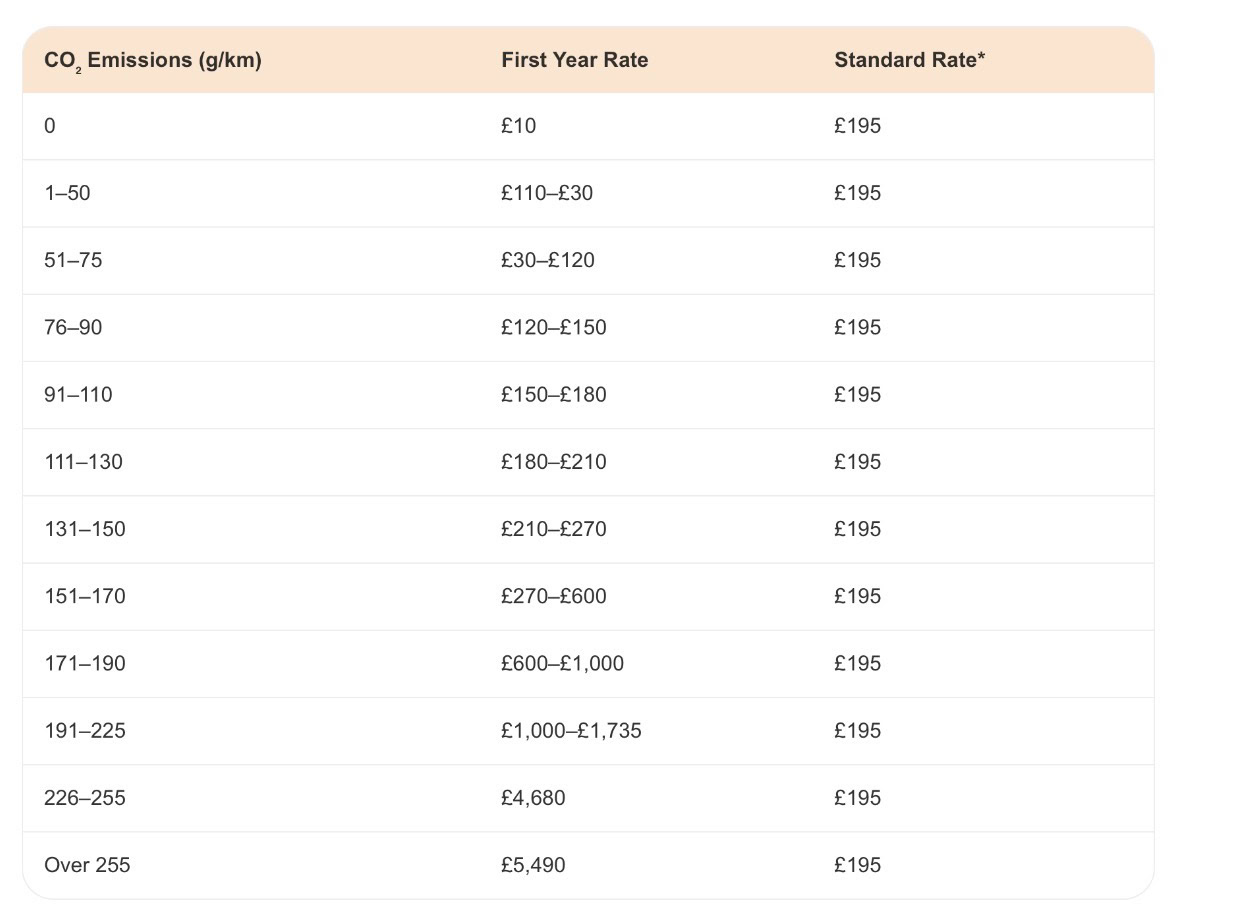
1. Standard VED rate has risen from £195 to £200 per year for cars registered after April 2017. This has risen in line with inflation.
2. BiK rate for fully electric company cars has risen from 3% to 4%, and is scheduled to reach 9% by 2029/30.
3. The Expensive Car Supplement threshold for EVs has increased from £40,000 to £50,000 (petrol/diesel remains £40,000).
4. The Electric Car Grant now offers up to £3,750 off qualifying EVs priced under £37,000.
5. First year VED for the highest emitting cars (over 255g/km CO₂) has more than doubled, reaching £5,690.
Vehicle Excise Duty (VED): What's Changed in April 2026
VED - commonly known as road tax - has risen in line with Retail Price Index inflation. For the majority of UK drivers with cars registered after April 2017, the standard annual rate has increased from £195 to £200. The change is modest in isolation, but combined with the other reforms below, it represents the largest single recalibration of UK motoring tax in five years.
First-year VED rates for new cars have also risen sharply for higher-emitting vehicles. A new petrol or diesel car emitting more than 255g/km of CO₂ now incurs a first-year charge of £5,690 - more than double the previous top rate. This effectively prices high emission new cars out of company car schemes and accelerates the commercial case for switching to electric or hybrid.
BiK Rate Rise: 3% to 4% for Electric Company Cars
From 6 April 2026, the Benefit-in-Kind tax rate for fully electric company cars has risen from 3% to 4%. The rate will continue to rise by 1 percentage point annually until 2027/28, then by 2 percentage points to reach 9% in 2029/30. The structure is now confirmed and protected through to April 2030 following the Spring Statement.
Despite the rise, electric vehicles remain dramatically more tax efficient than petrol or diesel alternatives. A petrol equivalent typically attracts a BiK rate between 25% and 37%. For a 40% taxpayer driving a £40,000 electric company car, the new 4% rate equates to approximately £64 per month in BiK tax - compared with £400 or more for a similarly priced petrol car. The maths still strongly favour switching to an EV.
The £50,000 Expensive Car Supplement Threshold for EVs
Until April 2026, any car with a list price above £40,000 attracted an additional £425 per year supplement for the first five years of standard rate VED. From April 2026, this threshold has been raised to £50,000 for fully zero emission vehicles, while remaining at £40,000 for petrol, diesel and hybrid cars. The change brings popular mid range EVs back inside the affordable bracket and removes a significant pricing distortion that had been pushing buyers towards lower spec models.
Electric Car Grant: How to Save Up to £3,750
The Electric Car Grant (ECG) is the UK Government's 2026 incentive scheme offering discounts on qualifying new electric vehicles priced under £37,000. The grant is tiered: Band 1 vehicles receive £3,750 off, while Band 2 vehicles receive £1,500 off. The discount is applied automatically by the manufacturer before lease payments are calculated, meaning monthly rentals are lower from day one - there is no claim form, no rebate process.
Hidden Cost: London Congestion Charge Now Applies to EVs
From January 2026, the previous 100% Congestion Charge exemption for electric cars ended. EVs registered for Auto Pay now receive a 25% discount, reducing the daily cost from £18 to £13.50. For company car drivers commuting into central London, this adds approximately £2,800 per year in additional running costs and should now be factored into Total Cost of Ownership calculations.
How These April 2026 Changes Affect Your Lease
If you are about to sign a personal lease or business contract hire agreement, the new tax landscape changes the calculation in three specific ways. First, electric vehicles remain the cheapest company car option for tax purposes despite the 1% BiK rise. Second, EVs priced between £40,000 and £50,000 are now considerably more attractive than they were under the old supplement rules. Third, plug-in hybrids face significantly steeper tax treatment from October 2026 onwards under the new Euro 6e-bis emissions standard, making EV the smarter long term lease choice.
What UK Drivers Should Do Next
Total Cost of Ownership has always been the right framework for evaluating a lease - and the April 2026 changes have made it essential. Monthly payment alone is no longer a reliable indicator of which vehicle will actually cost you less. At LetsTalk Leasing, every quote includes a full BiK calculation, the applicable Electric Car Grant where relevant, and a TCO breakdown that captures VED, congestion charges, and projected tax exposure across the full lease term.
Compare a personalised lease with full tax transparency at letstalkleasing.co.uk, or call 0330 056 3331 to speak with our specialist leasing team.