




























Petrol and Diesel Cars Being Phased Out in the UK: Timeline, Laws and What It Means for Drivers
Petrol and diesel cars will be banned from sale in the UK from 2030 under government legislation, with all new vehicles required to be fully zero-emission by 2035 as part of the Zero Emission Vehicle (ZEV) mandate.
The UK is moving towards a fully electric future, with petrol and diesel cars set to be phased out over the coming years. Government legislation, environmental targets, and advances in electric vehicle (EV) technology are all accelerating this transition. For drivers, understanding the timeline and rules is essential when deciding whether to lease or buy their next car.
When Will Petrol and Diesel Cars Be Banned in the UK?
The UK government has introduced clear deadlines to end the sale of new petrol and diesel vehicles.
2030 – Ban on the sale of new petrol and diesel cars
2035 – All new cars and vans must be fully zero-emission
This policy was first announced by UK Government as part of its wider environmental strategy.
After 2030, some hybrid vehicles may still be sold temporarily, but by 2035, only fully electric or zero-emission vehicles will be allowed.
Why Petrol and Diesel Cars Are Being Phased Out?
Net Zero Targets
The UK has committed to reaching net zero carbon emissions by 2050. Road transport is one of the largest contributors to emissions, making it a key focus for change.
Air Quality Improvements
Petrol and diesel vehicles produce harmful emissions such as nitrogen oxides (NOx), which contribute to poor air quality in cities. Phasing them out is expected to significantly improve public health.
Global Shift to Electric Vehicles
The transition is not limited to the UK. Countries and regions around the world, including the EU, are implementing similar bans, accelerating the global move to EVs.
Government Legislation Driving the Transition
Financial Incentives and Tax Policies
To support the transition, the government has introduced several incentives:
Lower Benefit-in-Kind (BiK) tax rates for electric company cars
Grants and funding for EV charging infrastructure
Reduced running costs compared to petrol and diesel vehicles
These policies are designed to make electric cars more accessible and affordable.
Clean Air Zones and Local Restrictions
Cities across the UK are also introducing stricter emissions rules.
For example, Transport for London operates the Ultra Low Emission Zone (ULEZ), which charges drivers of higher-emission vehicles.
Similar clean air zones are expanding across other UK cities, further discouraging petrol and diesel use.
What Happens to Existing Petrol and Diesel Cars?
The ban only applies to new car sales, not existing vehicles.
This means:
You can still drive a petrol or diesel car after 2030
Used petrol and diesel cars will remain available
Fuel will still be sold for the foreseeable future
However, running costs may increase due to:
Higher taxes
Fuel price changes
More restrictions in urban areas
What is the ZEV Mandate?
Zero Emission Vehicle (ZEV) Mandate
A major piece of legislation shaping the UK car market is the ZEV mandate, introduced in 2024 by the Department for Transport.
This requires manufacturers to sell an increasing percentage of zero-emission vehicles each year:
Around 22% of new car sales must be electric by 2024
This percentage increases annually
By 2035, 100% of new cars must be zero-emission
Manufacturers that fail to meet these targets face significant fines or must purchase credits from compliant brands.
Impact on Car Leasing and Buying Decisions
Shift Towards Electric Leasing
As petrol and diesel cars are phased out, leasing is becoming an increasingly popular option because it allows drivers to:
Access the latest electric vehicles without long-term commitment
Avoid concerns about depreciation
Upgrade easily as technology improves
Falling EV Prices
Increased competition, especially from Chinese manufacturing brands, and government pressure are driving down EV prices, making them more accessible to a wider range of drivers.
Concerns about the petrol and diesel cars phase out
Despite progress, there are still challenges:
Charging Infrastructure
Although improving rapidly, the UK charging network still needs expansion to meet growing demand. The expansion of the UK’s EV infrastructure is explained more in depth here.
Upfront Costs
Electric cars can still be more expensive upfront than petrol or diesel alternatives, although this gap is narrowing.
Consumer Confidence
Some drivers remain hesitant due to concerns about range, charging availability, and long-term costs.
What does the Petrol and Diesel Ban Means for UK Drivers?
The direction of travel is clear: petrol and diesel cars are being phased out, and electric vehicles will dominate the market.
Over the next decade, drivers can expect:
A wider range of affordable EVs
Continued expansion of charging infrastructure
Stronger government incentives and regulations
Reduced reliance on fossil fuels
The phase-out of petrol and diesel cars marks one of the biggest shifts in the UK automotive industry. Driven by government legislation, environmental targets, and technological progress, the move to electric vehicles is accelerating rapidly.
For drivers, this transition presents both challenges and opportunities. Understanding the timeline and planning ahead - whether through leasing or buying - will be key to staying ahead of the changes.
If you’d like to stay ahead of the curve and start leasing your brand new electric vehicle now, then take a look at our fantastic electric vehicle deals online, or call a member of our team on 0330 056 3331.

UK Road Fund Licence Changes in 2025: What Drivers Need to Know
14th May 2025
While the 2025 Road Fund Licence changes mark a shift in how EVs are taxed, they reflect the government’s drive to creat...

UK Tax Changes for Fleets in 2025/26
1st Apr 2025
As the UK government continues to refine tax policy in support of its net-zero goals and hit its fiscal targets, several...

Vehicle Euro 6e-bis Testing Changes in 2025 Will Impact Plug in Hybrid Vehicles (PHEV)
31st Mar 2025
In 2025, the European Union will implement the Euro 6e-bis emissions standard, introducing stricter testing procedures f...
How does business car leasing work?
5th Mar 2024
How does business car leasing work? Uncover the benefits and intricacies of business car leasing. Elevate your fleet wit...
How do self-charging hybrids work?
5th Mar 2024
Explore the science behind self-charging hybrids! Delve into the mechanics of eco-friendly innovation. How do self-charg...
The best UK van lease deal
7th Feb 2024
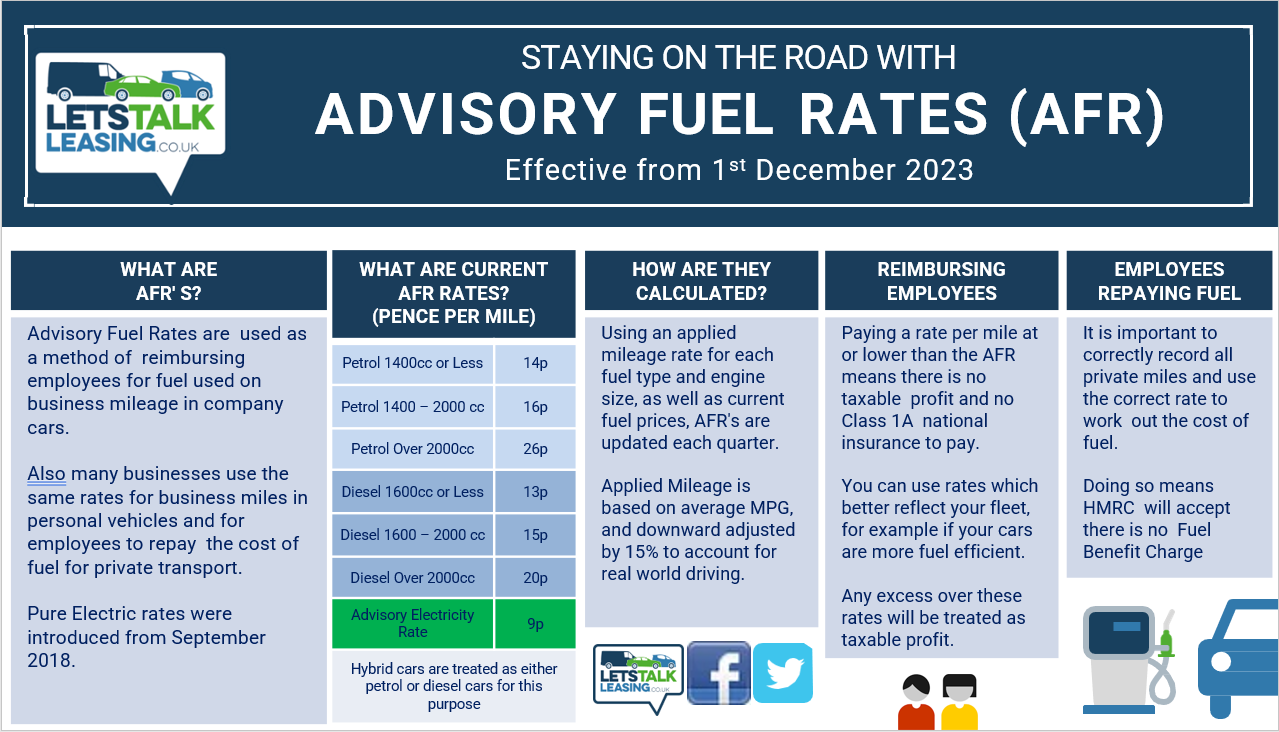
UK HMRC Advisory Fuel Rates - December 2023
4th Dec 2023
What are self-charging hybrid cars?
3rd Oct 2023
As the motor industry stands on the edge of a green revolution, car manufacturers are now focusing on more sustainable d...
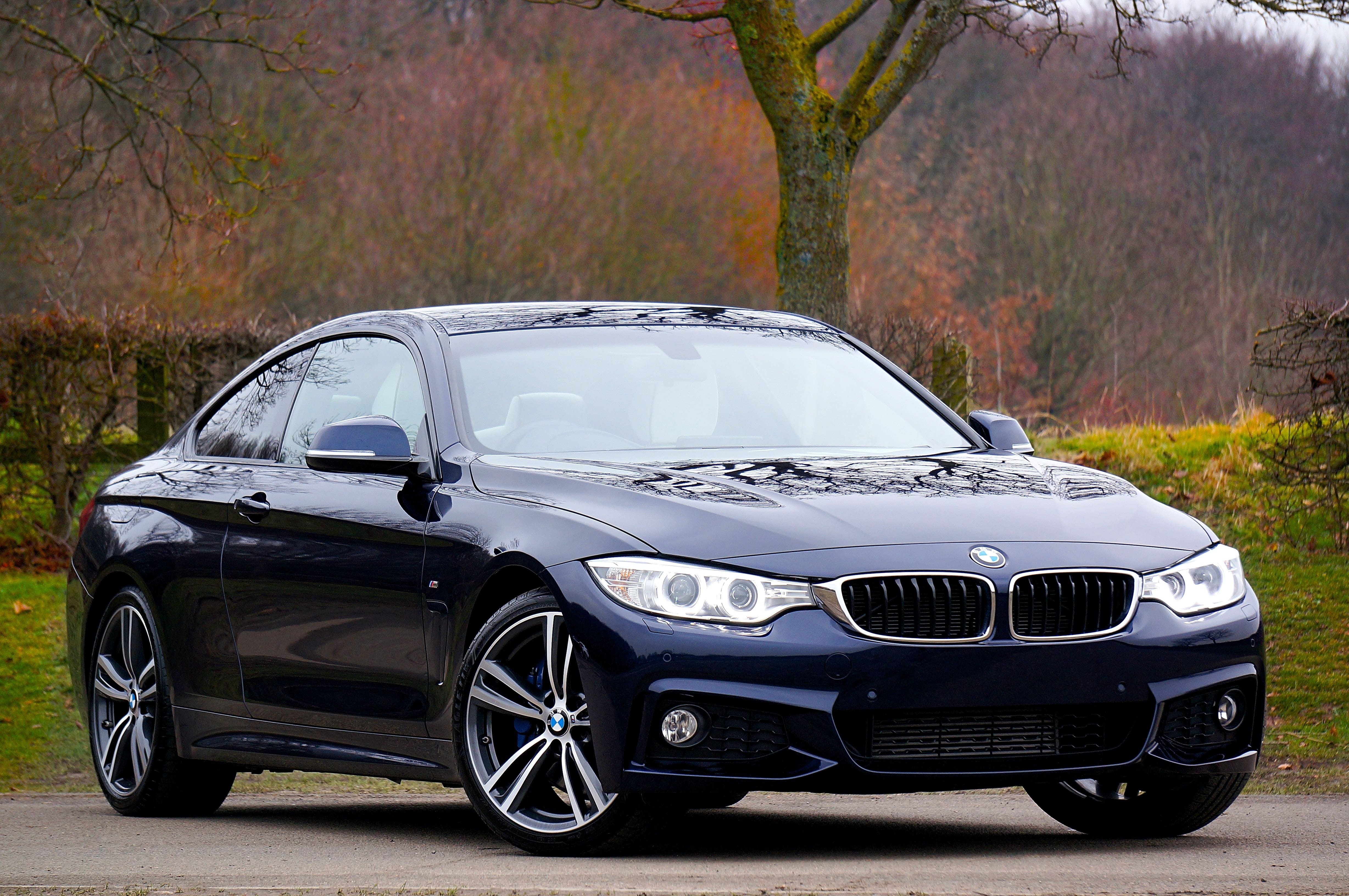
Best BMW Electric Cars on Offer - April 2026
29th Aug 2023
If you’re in the market for a new car, why not choose a BMW electric car to enjoy all of these attributes while also emb...
Why have some car lease costs increased a lot in 2023?
10th Aug 2023
Understanding the Factors Behind Increased Lease Costs for Some Vehicles If you've recently been exploring car leasing o...
New Electric Vehicles Coming to the UK in 2023
10th Feb 2023
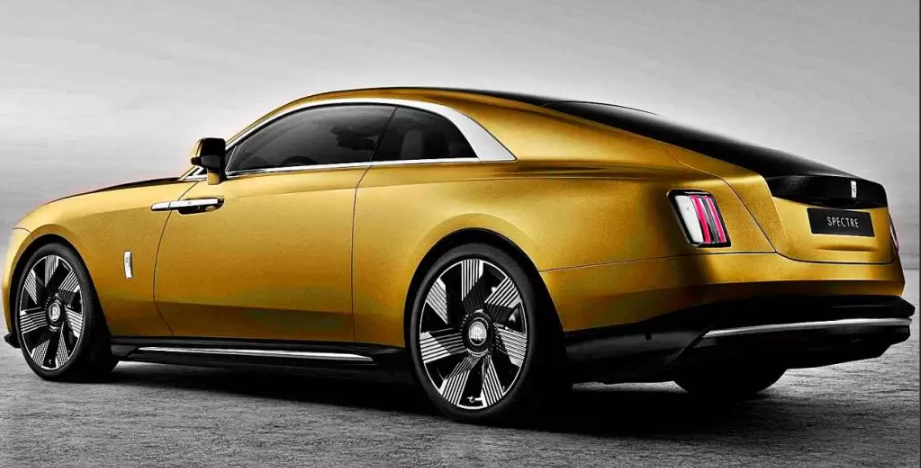
There's a lot of excitement in the UK about electric cars as numbers keep rising, choice is expanding and the Government...
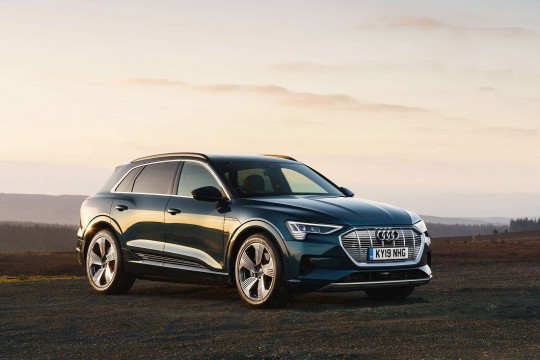
Types of Audi Hybrid Cars
6th Aug 2022
Audi has one of the most comprehensive hybrid line-ups of any premium manufacturer. Whether you're researching Audi hybr...
Fleet car registrations down 25% year to July
6th Aug 2022
Fleet car registrations down 25% in the year to July 2022 as manufacturers prioritise sales to private customers.
What is the Car Semiconductor Chip Issue?
8th Sep 2021
Semiconductor Chips continue to impact the supply of new cars worldwide, what is it and what can businesses do about it?
Driving Fuel Costs are Rising, What can you do about it?
8th Sep 2021
Fuel costs are increasing, what can you do to mitigate?